Is VPN Streaming Legal? What You Should Know Before Connecting
Is VPN Streaming Legal? What You Should Know Before Connecting
Blog Article
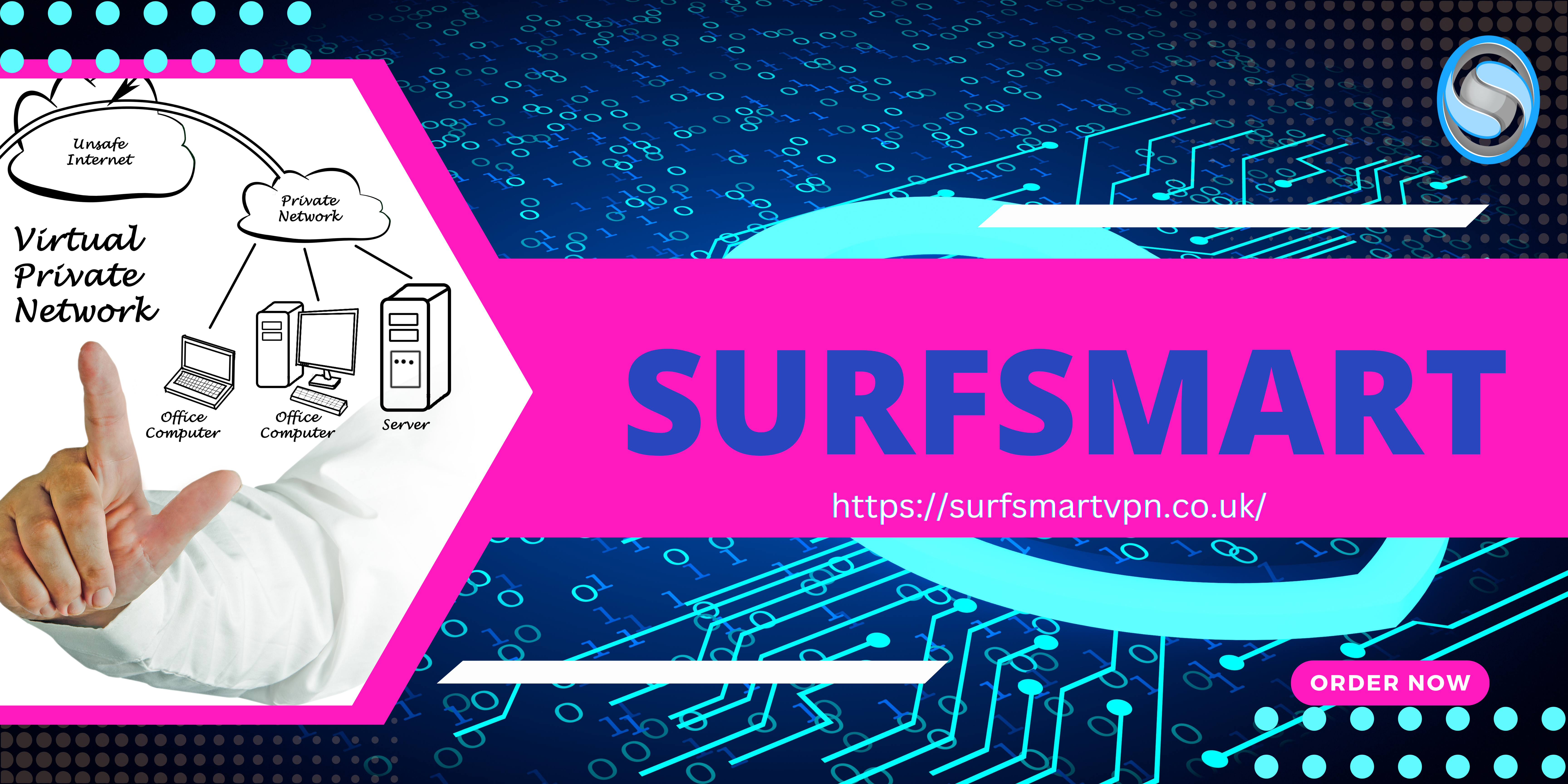
Navigating the legality of using a VPN to access video services can be surprisingly complicated, and it isn't uniform worldwide. While generally permitted in most nations, some countries implement restrictions or even prohibit their utilization. For instance, the People’s Republic of China heavily censors internet access and actively blocks VPNs, though many users still find ways to circumvent these measures. Similarly, Russia has been tightening its grip on online freedoms, making VPN usage increasingly problematic. In contrast, countries like the United Kingdom, Canada, and Germany tend to have more lenient attitudes towards VPNs, though terms of service for specific video providers may still apply. This guide will break down the current legal landscape regarding VPN use for streaming on a region-by- basis to help you understand your rights and potential penalties. Remember that laws are subject to alteration, so always do further research before using a VPN in any given jurisdiction.
How VPNs Route Your Traffic and Why It Matters for Streaming
A secure tunnel works by channeling your internet traffic through a separate server. Instead of connecting directly to a website or streaming service, your signal first travels to the VPN’s server – which could be located anywhere in the world. This server then forwards it on your behalf, masking your actual IP address and location with its own. For streaming , this is crucial because many platforms use geographic restrictions or geo-blocking to limit content availability. By connecting to a VPN server in a different area, you can often bypass these blocks and access shows or movies that are normally unavailable in your present location. Furthermore, some internet service providers (ISPs) might throttle – which means intentionally slow down – your bandwidth when they detect streaming activity; using a VPN can prevent this by hiding the type of data you’re transmitting. Ultimately, routing your traffic through a VPN improves both accessibility and probable performance for your favorite shows.
Hides Your IP Address
Bypasses Geo-Restrictions
Can Prevent Bandwidth Throttling
Streaming Sticks & VPNs: The Ultimate Privacy Pairing?
The rise of streaming sticks like this Fire TV Stick has made enjoying your easier than ever, but it's also raised concerns about online tracking . Many platforms collect significant amounts of user data, from viewing habits to location details. Pairing a streaming stick with a Virtual Private Network (VPN) can offer a powerful solution for regaining control over your digital footprint. A VPN essentially creates a secure connection that encrypts your internet traffic and masks your IP address, making it appear as though you’re browsing from a different location – effectively shielding your viewing activity from your ISP . This combination allows for increased security, access to geo-restricted content, and a significantly improved level of privacy when enjoying your favorite shows on your TV.
- Enhanced security
- Access various content
- Improved online confidentiality
Two-Factor Authentication + VPN: Double Down on Streaming Security
To truly safeguard your online experience, consider combining two-factor authentication (copyright) with a Virtual Private Network ( private connection). copyright adds an extra layer of defense, requiring more than just a copyright to access your accounts. A secure tunnel then encrypts your internet traffic, routing it through a server in a new location and keeping your IP address hidden from prying eyes – especially important when accessing geo-restricted content or using public Wi-Fi networks . This double approach provides significantly enhanced protection , minimizing the risk of unauthorized access and ensuring a safer, more private viewing session.
VPNs & Streaming Rights: What’s Legal, What's Not
Navigating the complex world of VPNs and streaming rights can be perplexing . While using a Virtual Private Network (VPN) to access content from different regions might seem appealing , it often treads into legally murky territory. Generally, accessing content unavailable in your geographical area – bypassing geo-restrictions – violates the terms of service for most major streaming platforms like copyright, Hulu and Disney+. These companies pay heavily for exclusive rights to show specific programs and movies in particular countries; therefore, circumventing those restrictions is often a breach of contract. It's usually not *illegal* to use a VPN itself (it’s a legal tool for encryption and privacy), but using it to access blocked content could result in your account being suspended or terminated. The legality can also vary by jurisdiction; while unlikely, certain countries might take harsher action against circumventing copyright protection. Ultimately, understand that the situation is constantly evolving as streaming platforms try to combat VPN usage and enforce their agreements.
Can You Get Banned for Using a VPN to Stream Content?
The question of whether you can face a restriction for utilizing a VPN to watch content is increasingly common . Many services , like copyright and Hulu, actively work against the use of VPNs because they often violate geographic licensing agreements. While a complete "ban" isn't always immediate, your account might be suspended or even permanently closed . The risk varies; some providers are more aggressive about detecting and reacting to VPN usage than others. Ultimately, it boils down to the provider’s terms of service – which you should always read attentively before connecting via a VPN.
Understanding How VPNs Work and Their Impact on Streaming Speed
A private system, or VPN, essentially creates an shielded pathway for your internet traffic, routing it through a server in a remote location. This masks your actual IP address and makes it appear as if you're browsing from that server’s location. Consequently, concerning streaming speed, VPNs frequently introduce some level of reduction; the degree depends on several factors. These include the distance to the network’s location – the further away, the higher the latency – and the server's overall load. Also influencing performance is the service's infrastructure: a poorly maintained network will likely result in slower speeds, while a high-quality service generally provides quicker connections. Therefore, choosing a VPN with a robust network and optimized servers specifically designed for streaming is key to minimizing any potential speed impact and maintaining a smooth viewing experience.
Streaming Sticks and VPN Configuration: A Step-by-Step Guide
Setting up a secure connection on your media player can feel tricky, but it's actually quite straightforward with this walkthrough. First, pick a reputable VPN provider that offers apps compatible with your Roku. Next, install the VPN's app directly onto your streaming stick – often found in the device’s app store. Once installed, launch the application and establish an account or access if you already have one. Then, select a server country – consider what content you're trying to access. Finally, link to the chosen server and begin enjoying your shows! Remember to always prioritize a trustworthy VPN for optimal performance and data privacy.
Two-Factor Verification Best Practices When Employing a Virtual Private Network for Viewing
To maximize your safety while enjoying content through a VPN, it’s crucial to implement two-factor authentication (copyright). Regularly enable copyright on every profile you access via the VPN, like your favored platform. Consider using an authenticator program – such as Authy or Google Authenticator - rather than SMS-based copyright, as SMS is prone to interception. Remember that a VPN secures your internet access, but it doesn’t replace the need for strong individual account logins ; copyright adds an extra layer of protection against unauthorized use. Frequently review and update your copyright settings to maintain optimal security.
Is It Safe to Use a VPN with Your Streaming Device?
Using a virtual private network alongside your media player can be mostly harmless, but there are some considerations to evaluate. While VPNs offer advantages such as improved privacy and the ability to bypass location blocks, it's important to select a trusted service. Some free VPNs may track your activity, which defeats the purpose of using one, or might even contain malware. Furthermore, streaming platforms like copyright are actively trying to detect and ban VPN access, so connectivity can be occasionally disrupted. Ultimately, a paid, well-reviewed VPN generally provides a more secure setup for your streaming enjoyment.
VPN Traffic Routing Explained: Secure Your Streaming Experience
Understanding how your internet traffic is channeled through a VPN is vital for maximizing your video experience and maintaining privacy . When you connect to a VPN, your device's outbound information don’t go directly to the platform; instead, they are first forwarded to a VPN host . This place then acts as an gateway, forwarding your request and receiving the response on your behalf. The process effectively masks your real IP address, making it appear you're accessing the internet from the VPN server’s region , providing a protected route for enjoying your is vpn legal for streaming favorite content while shielding your activity from unwanted surveillance .
Navigating Streaming Service Restrictions With a VPN – Legally
Accessing geographically restricted content on streaming platforms like copyright, Hulu, or BBC iPlayer can be tempting, but it’s crucial to understand the legal landscape. Using a Virtual Private Network (VPN) to bypass these geographic limitations isn't inherently illegal everywhere; however, you must consider the terms of use for each streaming provider. Many platforms actively attempt to prevent VPN usage, and circumventing this could potentially breach their contracts, leading to account suspension . While using a VPN itself is often lawful, utilizing it to view content you’re not licensed to access (e.g., accessing US copyright from outside the US when you haven't subscribed) might violate copyright regulations and be considered a breach of contract. It’s always best to review the streaming platform’s terms and conditions, local statutes, and understand that providers can alter their policies at any time; therefore, responsible usage requires continued diligence and awareness.
- Check Terms of Service
- Understand Copyright Laws
- Be Aware of Policy Changes